Written and Reviewed by Dr. Rita Louise, PhD, ND
Many people have come to recognize the two most well known types of stress response, fight or flight. There are two other lesser know stress responses which include freeze and fawn which can also engage when we feel threatened.
Our stress response allows us to react quickly to threats. Our body is naturally and automatically programmed to respond to frightening situations. Its goal is to minimize or avoid real or perceived danger. It is designed to protect us and survive physical, mental and emotional challenges. In the modern world, it can help us to perform better under pressure and better cope with demanding circumstances.
Our Stress Response System At-a-Glance
| Response | Key Feature | Physiological State | Emotional Root |
| Fight | Aggression | Sympathetic (High) | Self-Protection/Anger |
| Flight | Avoidance | Sympathetic (High) | Fear/Escape |
| Freeze | Paralysis | Parasympathetic (Dorsal) | Numbness/Dissociation |
| Fawn | Appeasement | Social Engagement (Distorted) | People Pleasing |
Table of Contents
- Our Stress Response System At-a-Glance
- How Our Stress Response System Works
- The Hierarchy Of The Fight, Flight, Freeze Stress Response
- The Fight Stress Response
- The Flight Stress Response
- The Freeze Response
- Dissociation And The Freeze Response
- The Fawn Response
- Reclaiming Your Sovereignty from the Survival Loop
- Are You Ready to Stop Surviving and Start Living?
- About The Author
How Our Stress Response System Works
When our nervous system detects a threat or we are faced with a distressing situation, our bodies naturally and instinctively reacts by activating our stress response. These threats trigger the body to engage defensively where it sets off a series of rapid well-orchestrated physiological and hormonal changes. They spring into action and allow us to respond quickly in an effort to ensure our survival. All of this happens instantaneously and outside of our conscious control.
Within milliseconds of a frightening experience, our amygdala, an almond-shaped structure in the brain, triggers our body’s survival circuitry. The amygdala is best known for its role in fear processing. It sends a distress signal to the hypothalamus which activates our autonomic nervous system. The amygdala acts as a Security System for your Sovereignty, but it can be “hacked” or “re-programmed” by chronic trauma
Our autonomic nervous system is made up of two parts: the sympathetic nervous system and the parasympathetic nervous system. The sympathetic nervous system is associated with our fight or flight responses. The parasympathetic nervous system works to counter the sympathetic nervous system where it promotes relaxation and regeneration. These two opposing actions are designed to work together to promote healthy cycles of alertness and restfulness.
The Sympathetic Nervous System
The activation of sympathetic nervous system is tied to our fight or flight stress response. We draw upon the sympathetic nervous system to mobilize us into a self-protection stance. When activated, the sympathetic nervous system allow for the release of the neurotransmitters adrenaline (epinephrine) and noradrenaline (norepinephrine) into the body. These hormones help prepare us for the physical demands of fighting and doing battle with the enemy or running away from it.
The activation of our sympathetic nervous system causes our heart rate to speed up and our blood pressure to increase. Our muscles tense, our veins constrict and our pupils dilate. Our blood sugar may shoot up while our digestive and immune systems shut down. We may begin to breathe deeper, perspire, feel shaky, anxious, or panicky during these stress-filled moments.
If fighting or running away fails to gain safety, we will naturally go to plan B where we engage our parasympathetic nervous system. It assumes control if our unconscious mind believes there was no way to escape a traumatic situation.
The Parasympathetic Nervous System
Our parasympathetic nervous system acts like a break. It works in an inverse way to the sympathetic nervous system. It helps our bodies return to normal once a threat has passed. Its job is to relax us and slow down a triggered response once the threat is gone. This helps calm the body and mind down.
The parasympathetic nervous system is not only associated with regenerative functions. If we are unsuccessful in re-establishing safety through fight or flight, we will default to the evolutionarily oldest part of the nerve system, the dorsal vagal complex. Here, the parasympathetic nervous system engages an immobilizing defensive strategy which when activated causes us to stop right it our tracks. This is called the freeze response
The Parasympathetic Nervous System And The Freeze Response
The body, when the freeze response is triggered, instead of releasing adrenaline to power our fight or flight stress response, releases opioids to protect us from physical and/or emotional pain. Opioids are the brains natural pain relievers similar to taking morphine or heroin. Our heart rate and breathing slows down. We might find ourselves holding our breath. We might feel cold, shut down or numb to what is going on around us.
Our eyes may look fixed and we may appear spaced out. We might find ourselves fatigued, dizzy or depressed. We may have difficulty getting words out or feel constriction around our throat. Our body posture may collapse or we may find ourselves wanting to curl up in a ball. Thinking can become incredibly difficult as blood is diverted from the brain. This mental shutdown also allows us to dissociate from challenging experience.
The Hierarchy Of The Fight, Flight, Freeze Stress Response
There is a hierarchy when talking about the biology of the stress response. Our first automatic response to a danger is to fight to gain safety. If you can fight your way out of a situation, great! If the threat is too big or you quickly assess fighting is not possible then the brain automatically shifts to our flight option where we attempt to flee the scene.
In fight or flight response activation, our bodies releases adrenaline to support our victory or to quickly withdraw. A child being abused by an adult may try to fight or flee. They may achieve this or they may fail. There is an underlying deep seated hope whenever these two responses are employed that they will get out of the situation safely.
The freeze response kicks in when we find ourselves trapped in a dangerous situation with no apparent means of escape. We relinquished all hope of fighting off an attacker or fleeing from the danger. As a result we may find ourselves frozen in time and space. This allows us to experience some modicum of safety.
The Fight Stress Response
We engage our fight response when we instinctively believe we can overpower a threat. Individuals employing the fight response will attack the source of danger. Our fight response can be extremely valuable. It ensures that we have good boundaries, healthy assertiveness and aggressive self-protectiveness when required.
Individuals, who have a history filled with abuse or trauma, live life feeling as if the danger never goes away. This can cause them to get stuck in a particular stress response, where they repeatedly utilizing the same one whenever a potential danger is encountered.
What To Look For If You Are A Fight Type
For fight types, their fight response may become their primary way of address any and all dangers. Fight types believe that they have to preserve their lives at all cost. They believe that through power and control, they can create safety for themselves by reducing feeling of abandonment thus securing feeling of love. These individuals, when triggered utilize anger and rage to intimidate or shame others into submission. Many individuals who display narcissist tendencies are trapped in the fight response.
If you are a fight type, you might feel a deeply ingrained sense of intense anger, have explosive outbursts of temper or display aggressive behavior towards others. You might want to punch someone or something when upset, stomp around, slam doors or kick things. You might glare at people or give them the evil eye. You might raise your voice to others when talking or talk to them in a mean or hostile tone. You might find yourself grinding your teeth or walking around with a tight jaw.
The Flight Stress Response
You can tell you are engaging your flight response when you choose to retreat from a disagreement especially when you realize that fighting will only make things worse or that the opposing force is too powerful to overcome. The physiological changes our bodies experience, instead of preparing us to battle with our fists emblazon, we use this added energy to escape to safety. Ultimately, the flight response helps you to disengage from an altercation by retreating.
Children, for example, will run away from something that scares them. We may do this as an adult, but its form often becomes subtler. We are in flight mode when we are confronted by someone and instead of arguing we turn around and walk away without saying a word. When we fold our arms during an uncomfortable situation, this can also indicate the flight response in action.
What To Look For If You Are A Flight Type
Abuse survivors who gravitate toward the flight response may find that they are constantly busy. Workaholic is often a word tied to individuals who are flight types. They may find themselves always rushing around, have a hard time sitting still or feeling relaxed. If they are not doing something they are planning or worrying about what they are going to do next. In excess, flight types may have obsessive thinking, worry excessively, and experience chronic anxiety or feeling of panic.
Our fight or flight stress response is built into each of us. It is essential to our long term survival. Unfortunately, ongoing or long term trauma can affect our ability to appropriately emotionally regulate our systems which may create unhealthy patterns of responding to stress.
The Freeze Response
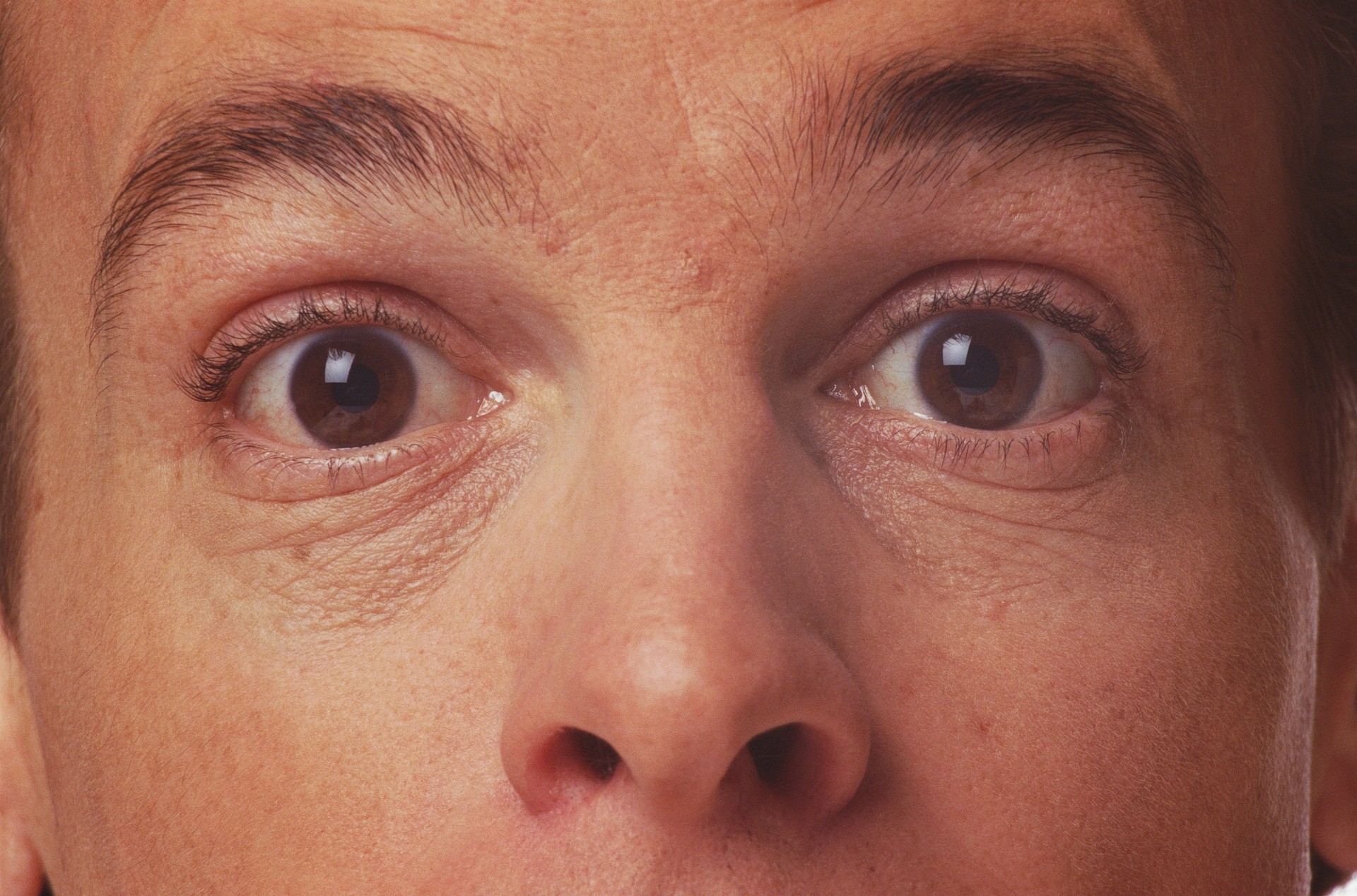
Most people are familiar with the fight or flight response where we react to a real or perceived threat by either fighting our way out of it (fight) or running away from it (flight). There is, however, a lesser know stress response many utilize when confronting a dangerous situation. This is the freeze response. Freezing is a universal fear response. It is like fight-or-flight on hold. When engaged, it permits us to not feel the harrowing enormity in front of us. We become paralyzed in fear.
Imagine coming up on a deer walking through a field. The deer, instead of running away from you stops dead in its tracks and stares. This is the freeze response in action. The freeze response has received little attention in humans, but like our animal counterparts it is also a strategy we use when facing overwhelming circumstances.
Freezing is another one of our bodies natural attempts at keeping us safe and out of harm’s way. Our brain, in a matter of milliseconds, realizes there is no way we can defend ourselves. We cannot defeat the dangerous opponent in front of us and we realize that we cannot get away from it safely. Freezing then, is the next best thing we can do. The goal of freezing is to stop the predator from spotting us in the first place. We virtually try to make ourselves disappear.
The Development Of The Freeze Response
The freeze response is often seen in children, especially in those that experience a large amount of fear and trauma in their lives. We are too small to fight with our parents when we are young. We could not run away either. This can leave the child feeling powerless and unable to protect him or herself and their only choice is to freeze up, numb out or dissociate.
In individuals who have repeatedly experienced extreme trauma, especially at the hand of a parent or caregiver, the freeze response may become the stress response they habitually go to. It is usually seen in the most abandoned children, who as adults may be diagnosed with PTSD or c-PTSD.
What To Look For If You Are A Freeze Type
As an adult, the freeze response can play out in different parts of our lives. Perhaps there was a time when you went to a job interview, had to speak in front of a room full of people or were sitting down for a final exam. With eyes wide open you found your mind going blank. Maybe you did not know what to say or do. These are classic examples of freezing.
Freezing can leave you feeling mentally or physically frozen, as if you are somehow paralyzed. When freezing is your primary stress response, you may find your mind going blank when confronted. You may be challenged in vocalizing your truth or being honest with yourself. You may clam up when around new people who may seem threatening to you.
The freeze response can also manifest as panic attacks, obsessive-compulsive behaviors or anxiety. Freeze types often seek refuge in daydreaming, excessive sleeping or becoming involved in activities like watching TV or playing computer games. They often find comfort in the safety that solitude offers. People who are workaholics are often freeze type as well.
A stuck freeze response might also hold you back in life with fears of moving forward. You might have a hard time making meaningful decisions for yourself or acting on a decision once made. You might end up feeling scared, guilty or angry at yourself because you are not doing what you want or you might feel the world has it in for you. These feelings might lead to self-esteem issues and self-defeating behaviors which only validate the fears you have about yourself and your endeavors. If you have found that you have given up on the idea of love, then perhaps you are in freeze mode as well.
Dissociation And The Freeze Response
Freeze type individuals often suffer from what is called dissociation. When we dissociate we mentally disconnect from unbearable feelings and emotions that may overwhelm us. In essence, we ‘space out’ from what is going on around us in order to protect ourselves from the challenging situation. This causes us to leave our preverbal house unattended. It is the number one way in which is how we lose Informed Consent over our own energetic space
Dissociation, for many people, is a natural reaction to stress or trauma and is most often tied to the freeze response. It is one way the mind works by disconnecting us from unbearable feelings and emotions that may overwhelm us during traumatic events. Dissociation can help us better deal with what might otherwise be too emotionally devastating to bear. It is as if our consciousness shuts down in order to block the intensity of the trauma.
We all dissociate at one time or another. Many times, people are not even aware it is happening. What does it feel like? We are dissociated when we lose touch with our immediate surroundings. When we are daydreaming, we are dissociating. When we drive our cars to a location and we do not remember how we got there, we are dissociating. When we get lost in a movie or a book, we are dissociating.
We are also dissociating when we ‘space out‘ while a friend is talking our ear off or when a parent, significant other or our boss is yelling at us and we let it go in one ear and out the other. In relationships, we often hear of situation where one partner will ‘tune out’ the other partner’s complaints. Dissociation.
The Link Between Dissociation And Trauma
When dissociation is connected to traumatic memories it is considered an avoidance coping strategy. Children are more prone to dissociating. They will use this coping skill during frightening experiences. Unable to escape from emotionally dangerous situations they instead disconnect from what is going on around them, distancing themselves from what is too scary to take in. They no longer feel the enormity of what is happening which might be intense fear or helpless. Dissociation allows them to mentally block off their thoughts, feelings and ultimately their memories of the frightening situation.
Some researchers suggest that the attachments that form between a child and their caregiver play a significant role in the development of dissociative symptoms. Our primary caregiver is the person who provides food, shelter and protection. But what if your primary caregiver is your biggest threat? The child ends up seeing their caregiver in a duel way – as a source of survival and as the biggest danger in their lives. This places them in a dilemma. The child, however, has no choice but to maintain a relationship with the offender. Their very life depends on it.
It is easier for the child to go on with daily life if they dissociate from the negative situation. Dissociation allows them to maintain family ties while reducing their awareness of past traumatic experiences. It is easier to just put it out of their minds. This learned system of self-defense become normal to a child who has had to acclimate to a dangerous situation in which they cannot escape. Many times, this learned behavior becomes the go-to coping mechanism to stressful life events as an adult. It becomes a way of life when dealing with uncomfortable circumstance.
The Dissociative Experience
When someone is dissociating, they may experience their body go limp or rigid. Time may seem to slow down. They may have mastered the art of changing their internal channel whenever inner experiences become uncomfortable. Some may experience complete separation where they feel like they are looking down at themselves from outside of their own body. From this perch of safety, they can observe events unfolding around them as if they were watching a movie or as if they were in a dream.
Some individuals, after dissociating cannot remember what happened (dissociate amnesia) including the circumstance or their feelings about an event or may experience gaps in their memory. This does not mean that they did not experience the ill effects of the trauma. The trauma still had an impact on them. This unprocessed emotional energy gets trapped in the body and can grow each time the individual is retraumatized. Others may remember each incident with vivid clarity but view it from a detached, unemotional position.
Memory, Sexual Assault And Dissociation
Rape or assault victims often report little or no memory of the horrors they have endured. Their minds escape the feelings of fear and pain in order to preserve their sanity and protect them from further psychological harm. They might have nightmares or flashback of the overwhelming event. They might know it happened but struggle to recollect the details or may only be able to recall certain parts of it. Their memory might be so buried they might not remember the trauma at all.
When this occurs, the traumatized portion of memory has literally split off into a separate subconscious memory system. This includes the feelings, emotions and body sensations associated with it. A ‘fragment’ of ourselves is created and the unbearable experiences are stored in this area of our minds, like a separate computer file or directory. This allows for another part of us to survive and go on with day-to-day activates.
The mind can compartmentalize these traumatic memories so well that many are not aware of their fragmented parts. If the trauma was intense enough or went on for long enough, this coping response can become ‘hardwired’ into the psyche where the person will lose access to their innate being, their original, non-traumatized self. This form of dissociation may also open the door to an attached entity.

The Fawn Response
In other articles we discussed the fight or flight response and the less talked about freeze response. According to psychotherapist and author, Pete Walker, there is another stress response that we may employ as protective armor in dangerous situations. It is called the fawn response. People, who come from abusive or dysfunctional families, who have unsuccessfully tried to respond to these situations by fighting, running away (flight) or freezing may find that by default, they have begun to fawn.
Fawning, refers to the flattery or affection displayed to gain a favor or advantage. Fawning is the opposite of the fight response. Instead of aggressively attempting to get out of a dangerous situation, fawn types attempt to avoid or minimize confrontation. They do this through what is referred to as ‘people pleasing’, where they bend over backward trying to be nice. It is not done to be considerate to the other individual but as a means of protecting themselves from additional trauma.
The Development Of The Fawn Response
The fawn response, unlike our other stress responses, does not come built into us. It is developed and potentially honed into a defense mechanism in early childhood. The fawn response begins to emerge before the self develops, often times even before we learn to speak. The developing youngster learns early on that fawning, being compliant and helpful, is the only way to survive parental trauma.
Individuals who become fawners are usually the children of at least one narcissistic or abusive parent. The toddler often finds him or herself trapped with a caregiver who expects to be pleased and prioritized. If the child protests by using their fight or flight response they learn quickly that any objection can and will lead to even more frightening parental retaliation.
The Emergence Of People Pleasing
The child discovers that it is in their own best self interest to try a different strategy. Instead of fighting they preemptively strive to please their abuser by submitting to the abuser’s will whilst surrendering their own. This causes the child to put their personal feelings to the side. They ascertain that their wants, needs and desires are less important than their desire to avoid more abuse. They recognize that there is a modicum of safety in being helpful and compliant. The cost? They have to be willing to forfeit their rights and preferences or be broken – a submissive slave.
The child, over time, will learn to omit the word “No” from their vocabulary. This interferes with their ability to develop a healthy sense of self, self-care or assertiveness. Their focus is bound around being of use to others. This causes them to give up on having any kind of personal or emotional boundaries while at the same time giving up on their own needs.
What To Look For If You Are A Fawn Type
As an adult, the fawn type often has lost all sense of self. They fear the threat of punishment each and every time they want to exert themselves. Regardless of the situation, interrelations with others can feel like a war zone, where the individual is waiting for the next blow to come. Any hint of danger triggers servile behaviors where they will willingly give up their rights and on themselves.
The response pattern of taking care of others regardless of what they may want, need or desire is so deeply ingrained into their psyches that they often do not realize that they have given up so much. They find safety when they merge with the wishes and demands of others. This serves as the foundation for the development of codependency.
Fawn types care for others to their own detriment. They have a strong desire to fit in and avoid conflict. They will willingly accept poor treatment and take abuse without protest. They have a hard time saying no and will often take on more responsibilities than they can handle. If they do happen to say no, they are plagued with the guilt and shame of having potentially hurt someone. These individuals may be emotionally triggered or suffer a flashback if they think about or try to assert themselves. This might cause them to dissociate and emotionally distance from their own feelings.
If you are a fawn type, you might feel uncomfortable when you are asked to give your opinion. You may also have a hard time identifying your feelings, so that when asked the question “what do you want to do” you may find yourself freezing or in an emotional tizzy.
Empaths And The Fawn Response
The fawn response may also play a role in developing someone’s sensitivity to the world around them, leading to the person to become a highly sensitive person. Empaths, by definition, are able to detect another person’s feelings without any visible cues. Fawn types learn early on that it is in their best interest to anticipate the needs and desires of others in any given situation. They do this by monitoring and ‘feeling into’ or merging with other people’s state of mind and then responding and adapting as required.
Could the development of the gift of empathy and intuition be a direct result of the fawn response? While this is not a healthy form of empathy, many individuals who have traumatic background are also found to grow up to be highly sensitive people.
Guilt As A Control Mechanism
One of the biggest things that keeps a true people pleaser pleasing or a true fawner fawning is guilt. Research suggests,
“Guilt is a self-conscious emotion that arises when we believe we’ve violated our moral standards or harmed someone, known as true guilt. False guilt, however, stems from perceived social disapproval rather than actual wrongdoing, often plaguing people pleasers who fear disappointing others” Psychology Today
There are two types of people pleaser’s guilt: true guilt and false guilt. Recognizing the difference between these guilt types is the first step toward breaking free from self-sacrificing cycles. We experience true guilt when we act in a way that violates our integrity – our internalized ethical guidelines. If we do something that we perceive as being immoral; lie to a friend, steal from a store or God forbid kill someone, we feel guilty. Our internal mechanisms recognize we did something wrong and our body responds in kind.
False guilt, on the other hand, is typically experienced when we fear the disapproval of others. Individuals who are fawners, people pleasers or suffer from co-dependency are often plagued by false guilt. It creeps in when they do something for themselves or when they try to express a boundary. Many times false guilt is tied to a belief that we are not worthy enough to make ourselves a priority.
Reclaiming Your Sovereignty from the Survival Loop
The biology of the stress response is a masterpiece of evolution designed to keep us alive. However, when we become stuck in a chronic cycle of Fight, Flight, Freeze, or Fawn, we are no longer living—we are merely surviving. These responses, while once protective, can become “engineered” into our daily reality, causing us to lose touch with our Authentic Self and surrender our Sovereignty to old ghosts and outdated triggers. Reclaiming your sovereignty means moving beyond the engineered responses of a traumatized biology.
Understanding these patterns is the first act of Informed Consent for your own healing. When you can identify that you are “fawning” to avoid conflict or “dissociating” to avoid pain, you gain the power to choose a different frequency. You move from being a passenger in a trauma-driven body to becoming the conscious architect of your own life.
Healing is not about “fixing” these responses—they are part of your brilliant survival hardware. It is about clearing the “energetic debris” of past traumas so that your system can return to a state of balance, clarity, and peace.
Are You Ready to Stop Surviving and Start Living?
If you feel your “Survival Circuitry” has been stuck in the ON position, you don’t have to navigate the recovery journey alone. Whether through a Medical Intuitive Evaluation to identify trapped emotional energy or Intuitive Counseling Session to break the cycle of fawning and guilt, I am here to help you reclaim your sovereignty.

If this article resonated with you, you may be ready to look deeper into your own health journey. As a Medical Intuitive and Naturopathic Physician, I help clients identify the energetic and clinical roots of chronic pain.
Get Started with a Medical Intuitive Evaluation
Sign-up For Weekly Insights
About The Author
Dr. Rita Louise is a Naturopathic Physician and the founder of the Institute Of Applied Energetics. Featured on NBC, Fox, and Gaia, she specializes in uncovering the root cause of chronic illness. Read her full journey here or discover all of her Medical Intuitive Services.
© Copyright Rita Louise, Inc. – soulhealer.com. All rights reserved.
Medical Disclaimer:This article is for informational and educational purposes only and is not intended as medical advice. Always seek the advice of your physician or other qualified health provider with any questions you may have regarding a medical condition. Use of this site does not create a doctor-patient relationship.